
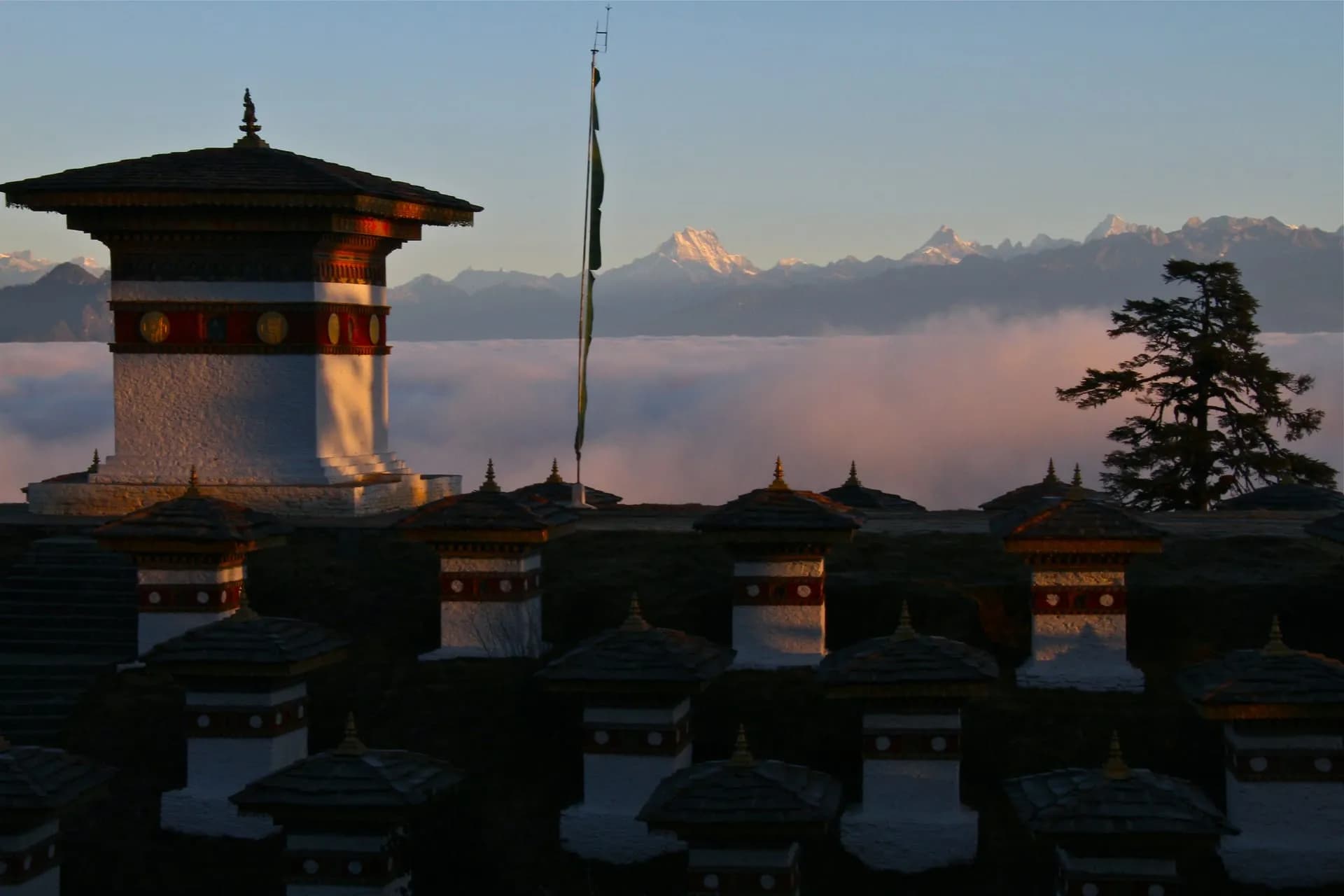
About Bhutan
A Himalayan Kingdom Like No Other
Discover a place where every valley holds a story, every tradition carries meaning, and every journey brings you closer to the heart of Bhutan.
About Bhutan
About Bhutan
Some destinations are remembered for what you see. Bhutan is remembered for what you feel.
Behind its dramatic Himalayan scenery lies a country shaped by centuries of faith, remarkable resilience, close-knit communities, and a deep respect for nature. Its story can be found in the architecture of its dzongs, the rhythm of its festivals, the flavors of its cuisine, the quiet moments of village life, and the journeys that connect one valley to another.
This page takes you beyond the familiar images of Bhutan to explore the ideas, people, traditions, landscapes, and experiences that have shaped the kingdom and continue to define it today.
Discover the story behind the destination—and understand why Bhutan truly stands apart.
Welcome to Bhutan – The Land of Happiness
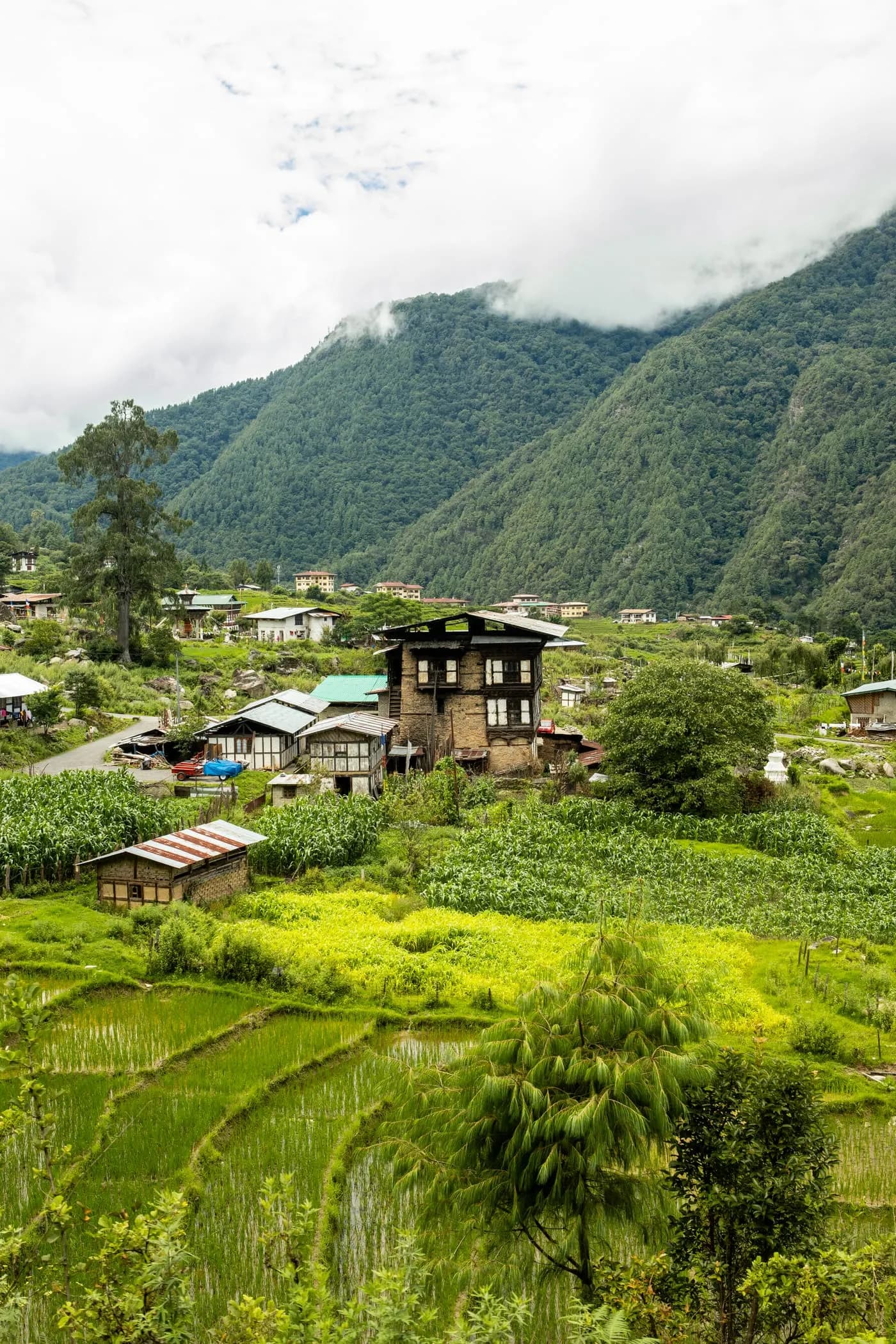
High in the Eastern Himalayas lies Bhutan, a kingdom where ancient traditions, sacred monasteries, vibrant festivals, and breathtaking landscapes continue to shape everyday life. Known as the Land of Happiness, Bhutan offers more than beautiful places to see—it offers a chance to slow down, connect with people, and experience a culture deeply rooted in spirituality and harmony with nature.
From the iconic Tiger's Nest Monastery clinging to a mountainside to magnificent dzongs, peaceful valleys, remote villages, and snow-capped peaks, every corner reveals another story. Walk ancient trails, share a meal in a local farmhouse, witness colorful festivals, or simply pause to take in the quiet beauty of the Himalayas.
At Bhutan Holiday Trips, we create meaningful journeys around your interests, from cultural discoveries and trekking adventures to customized private holidays.
Come to Bhutan not simply to see a beautiful kingdom, but to experience a different way of seeing the world.
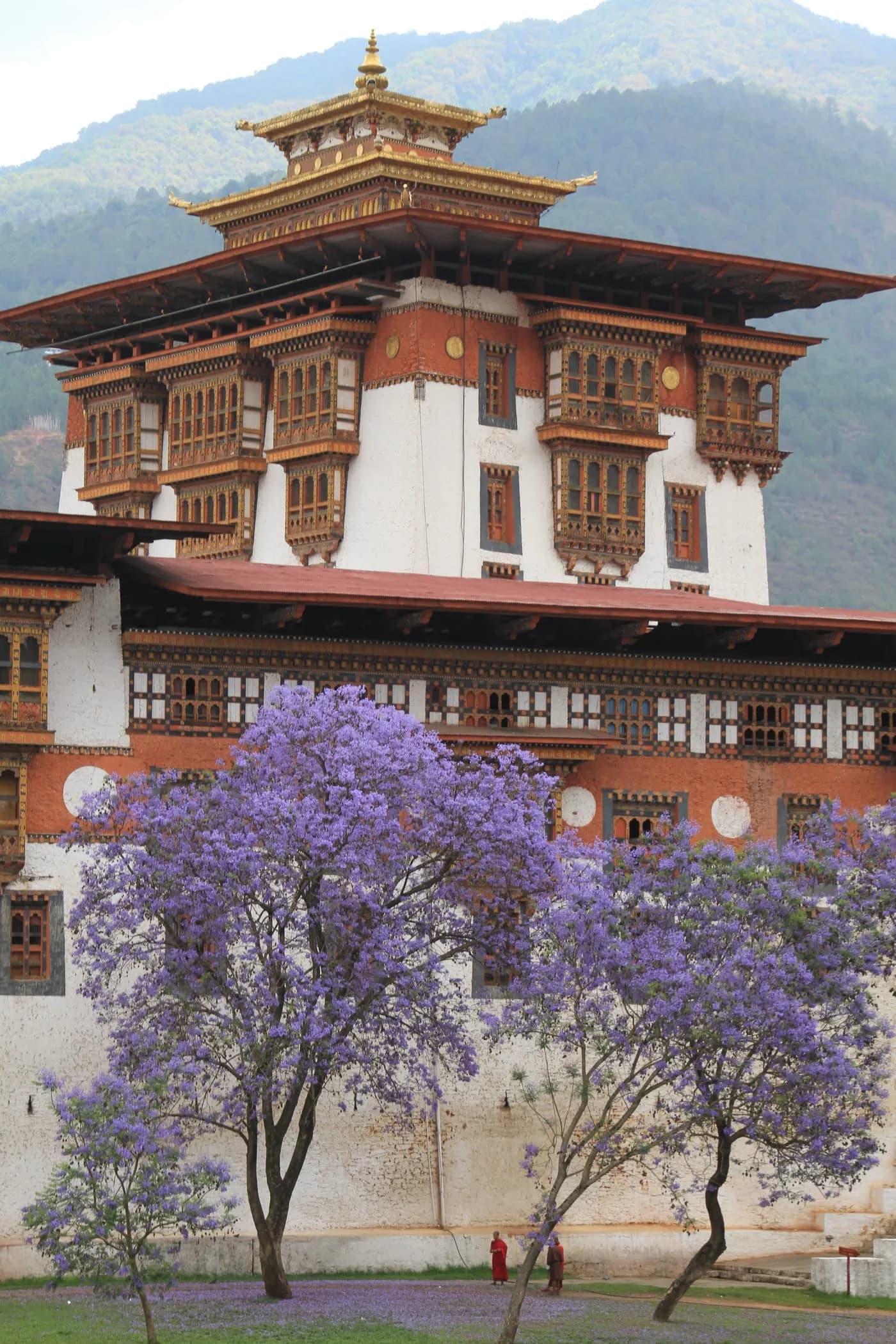
The History of Bhutan – From Ancient Kingdom to Modern Nation
Bhutan's story has unfolded quietly among the mountains, shaped by faith, visionary leaders, and a deep respect for its land and traditions. The foundations of Bhutanese spirituality were laid in the 8th century when Guru Padmasambhava (Guru Rinpoche) arrived and spread Vajrayana Buddhism, leaving a legacy that continues to influence the kingdom today.
Centuries later, in the 17th century, Zhabdrung Ngawang Namgyal unified Bhutan and established a distinct national identity. The magnificent dzongs he built became centers of both spiritual and administrative life.
In 1907, Ugyen Wangchuck became Bhutan's first hereditary king, beginning the Wangchuck dynasty. Under successive monarchs, Bhutan gradually embraced modernization while carefully protecting its culture, environment, and traditions.
Today, Bhutan is a constitutional monarchy guided by the philosophy of Gross National Happiness.
From sacred temples to a modern nation, Bhutan's history is a story of change without losing its soul.
Bhutan's Rich Culture and Living Traditions
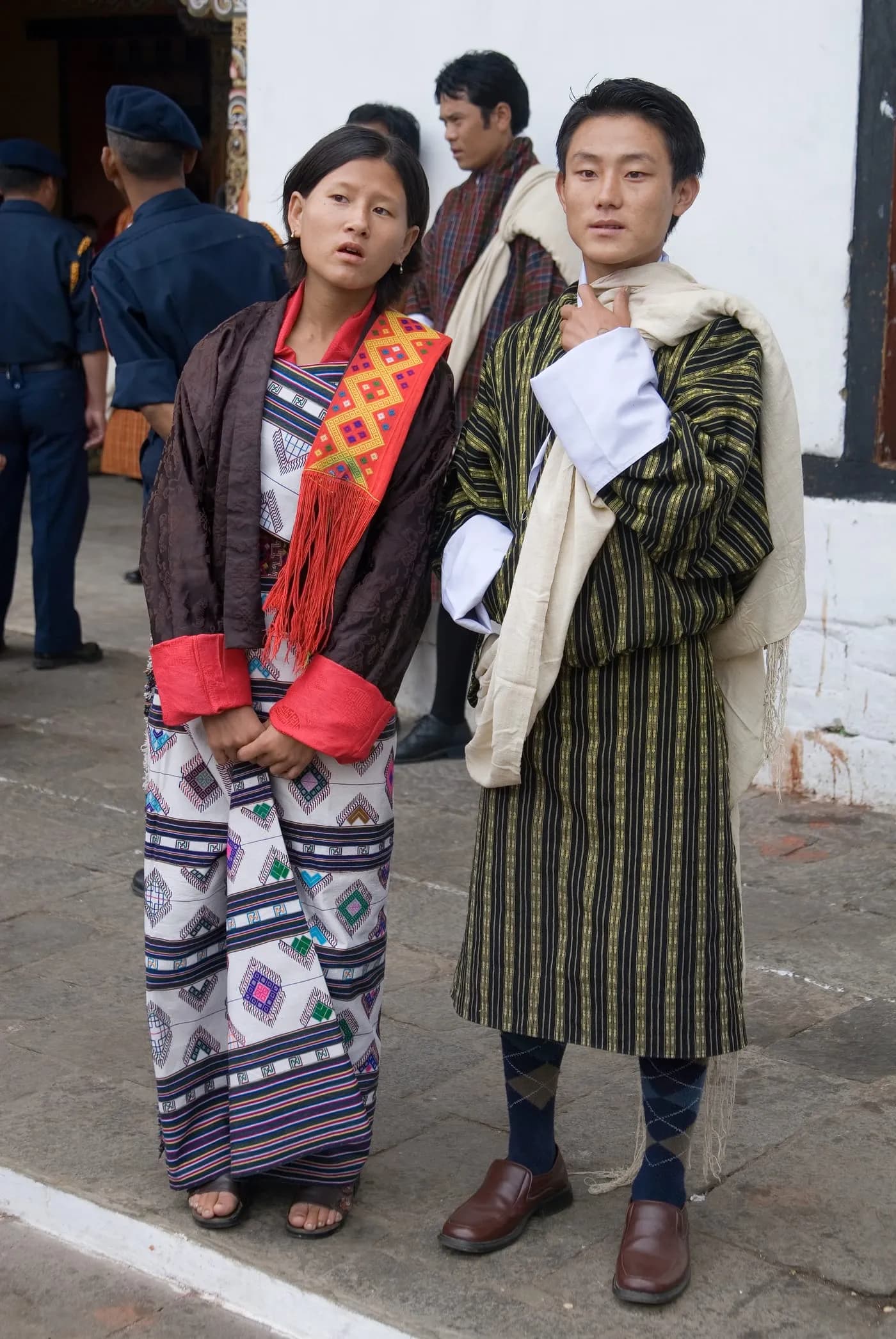
In Bhutan, culture is not something preserved behind glass—it is lived every day. Rooted deeply in Vajrayana Buddhism, Bhutanese traditions shape the way people dress, worship, celebrate, build, and connect with their communities.
Across the kingdom, magnificent dzongs, ancient monasteries, and sacred temples stand as reminders of a spiritual heritage passed down through generations. High above the Paro Valley, the iconic Tiger's Nest Monastery reflects the enduring connection between faith, nature, and Bhutanese life.
Traditional dress is another distinctive expression of national identity. Men wear the gho, while women wear the kira, particularly during festivals, ceremonies, and special occasions. Throughout the year, vibrant Tshechu festivals bring communities together through sacred mask dances, music, rituals, and joyful celebrations.
Beyond its landmarks, Bhutanese culture can be found in farmhouses, village homes, traditional food, ancient customs, and the warmth of its people.
Here, tradition is not simply something you observe—it is something you experience.
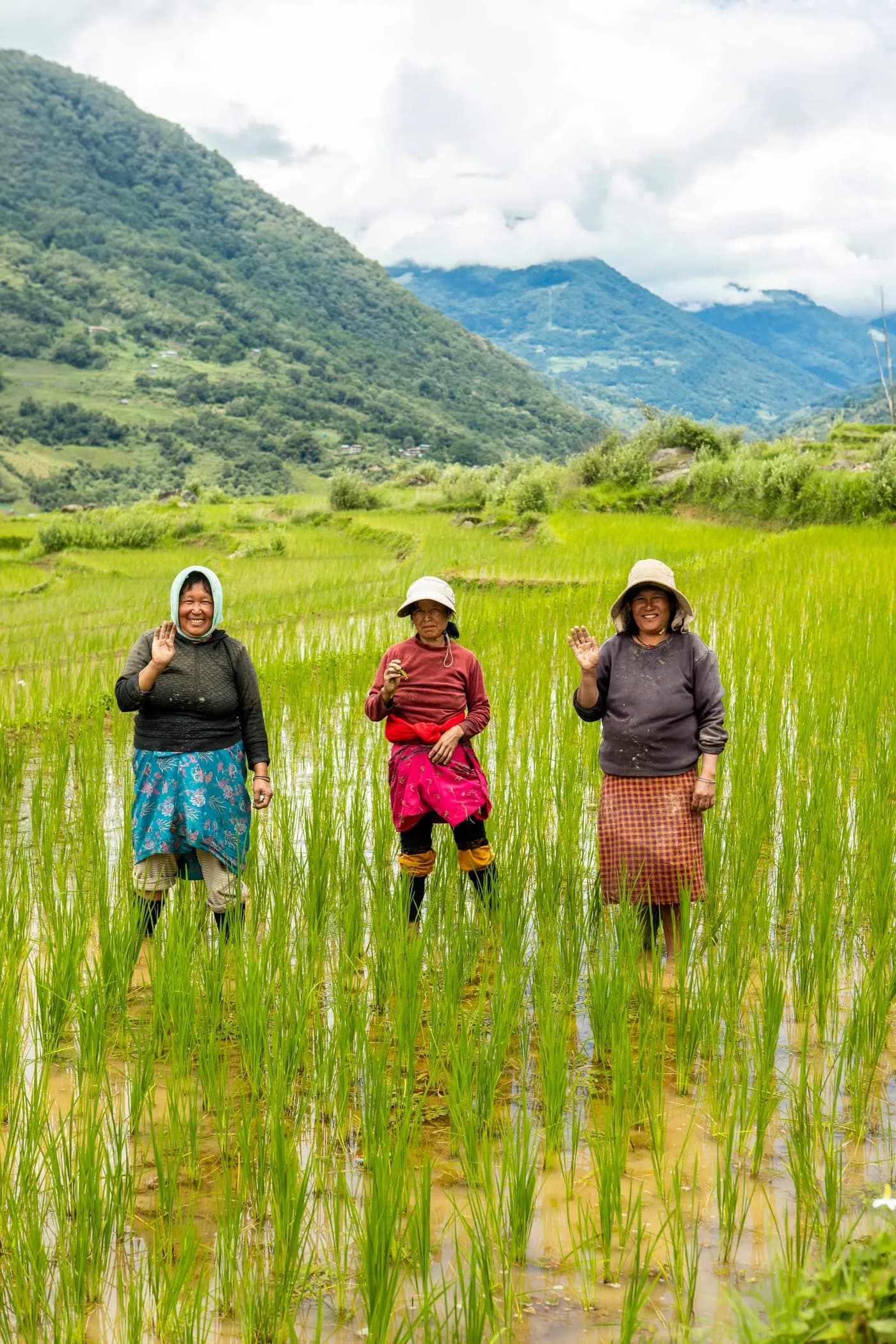
Bhutanese People and Their Way of Life
Perhaps the most memorable part of Bhutan is not a monument or mountain, but the people you meet along the way. Bhutanese communities are known for their warmth, hospitality, strong family bonds, and deep respect for nature and tradition.
Culture remains woven into everyday life. Men wear the gho and women the kira, while Buddhist values continue to influence ceremonies, festivals, family life, and community traditions. In rural villages, families still farm the land, prepare traditional food, practice handicrafts, and pass customs from one generation to the next.
A visit to a Bhutanese farmhouse can offer a glimpse into this quieter way of life—sharing a meal, meeting a family, or simply sitting together over a cup of tea.
Here, modern development exists alongside ancient customs, creating a way of life that feels both rooted and remarkably peaceful.
To understand Bhutan, look beyond its landscapes and meet the people who give the kingdom its character.
Sustainable & Equitable Socio-Economic Development
Creating opportunity and improving quality of life.
Environmental Conservation
Protecting Bhutan's forests and natural heritage.
Preservation & Promotion of Culture
Safeguarding Bhutan's traditions and identity.
Good Governance
Supporting a fair, responsible, and caring society.
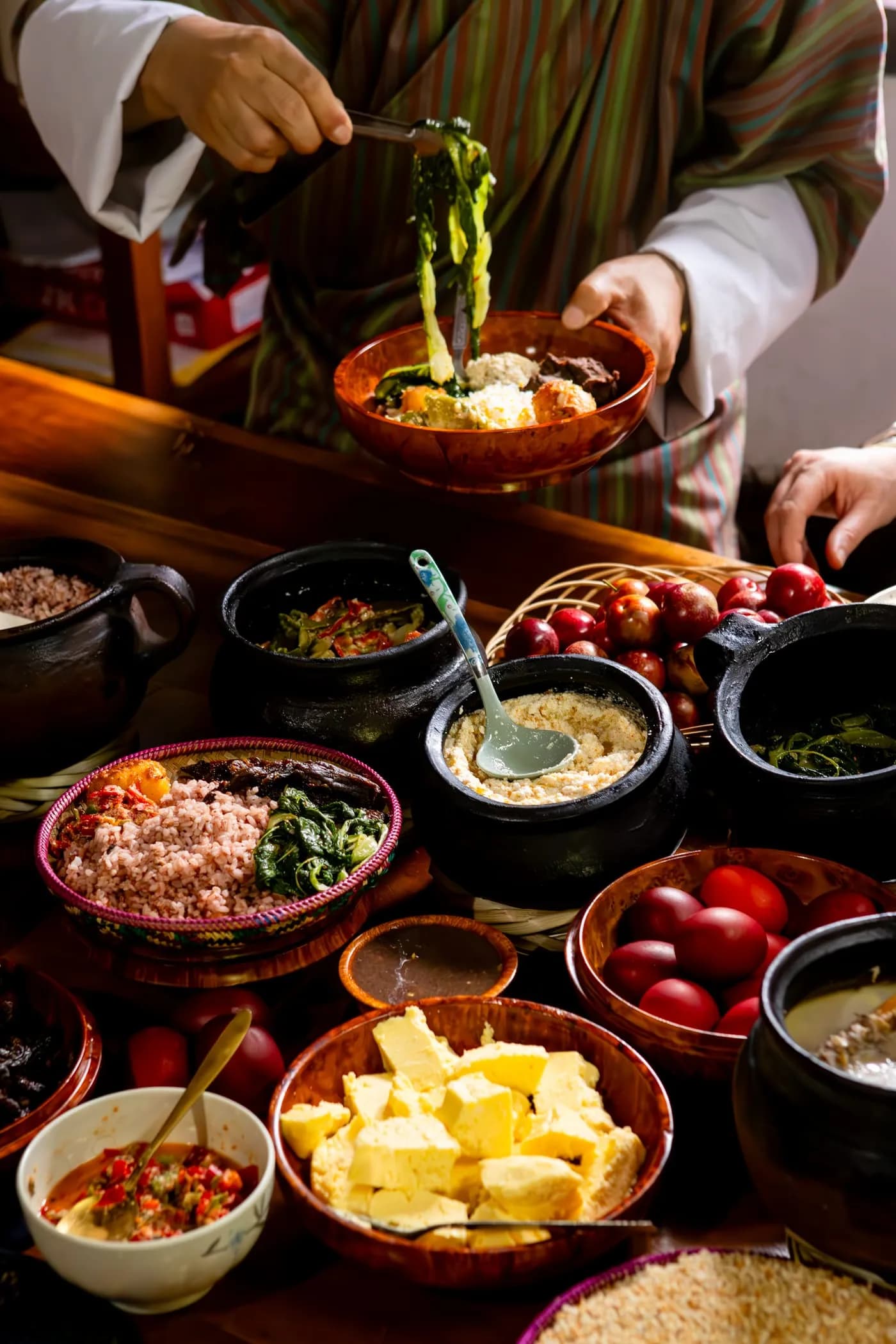
Bhutanese Cuisine – A Taste of the Kingdom
To truly experience Bhutan, sit down and share a meal. Bhutanese cuisine is simple, hearty, and deeply connected to the country's mountain lifestyle, local farms, and traditions.
At the heart of many meals is red rice, accompanied by vegetables, grains, meat, and Bhutan's beloved ema datshi, a comforting combination of chilies and cheese. For Bhutanese people, chilies are more than a seasoning—they are an essential part of the national palate.
Travelers can discover this culinary heritage in local restaurants, village homes, and traditional farmhouses, where meals often become opportunities to meet families and experience Bhutanese hospitality firsthand. Depending on the region and season, you may encounter dishes such as momos, phaksha paa, buckwheat pancakes, and traditional butter tea.
Sharing food offers a glimpse into something deeper than Bhutanese cooking: community, generosity, and a connection to the land.
In Bhutan, a meal can become one of the most memorable parts of the journey.
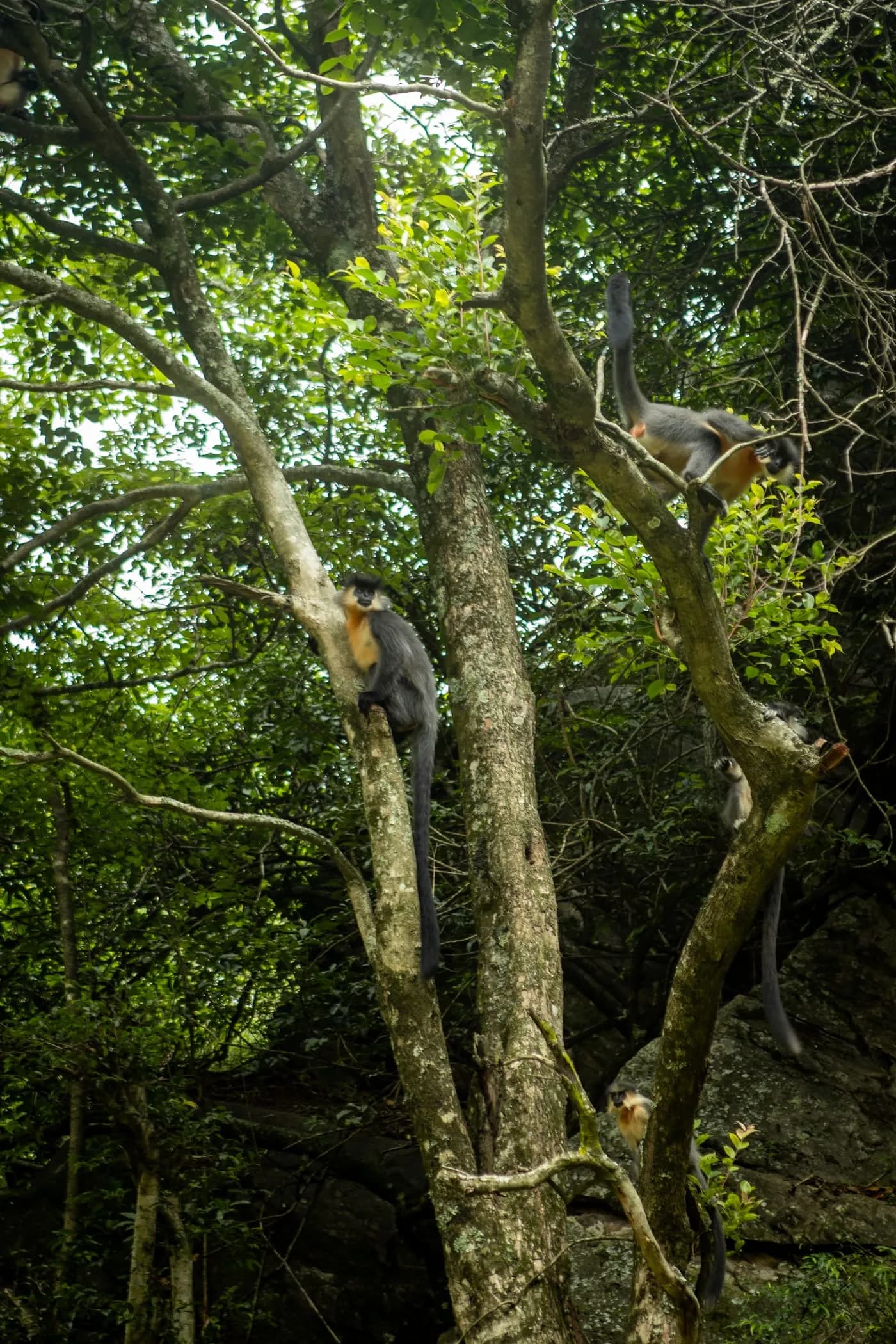
Bhutan's Breathtaking Nature and Biodiversity
From snow-covered Himalayan peaks to deep valleys, rushing rivers, and ancient forests, Bhutan's landscape changes dramatically as you travel across the kingdom. More than 70% of the country remains covered by forest, creating a remarkable sanctuary for wildlife and preserving some of the Himalayas' most pristine ecosystems.
In the high mountains, rare species such as the snow leopard and blue sheep roam remote landscapes, while the takin, red panda, and black-necked crane add to Bhutan's extraordinary biodiversity. Protected areas and national parks stretch across much of the country, reflecting Bhutan's long-standing commitment to environmental conservation.
Travelers can experience this natural world in many ways—walking through peaceful forests, following ancient trekking trails, exploring wildlife habitats, or simply watching the changing landscape from a mountain road.
From the serene Phobjikha Valley to remote Himalayan trails, Bhutan invites you to slow down and notice the beauty that surrounds you.
In Bhutan, nature is not simply scenery—it is part of the kingdom's identity.
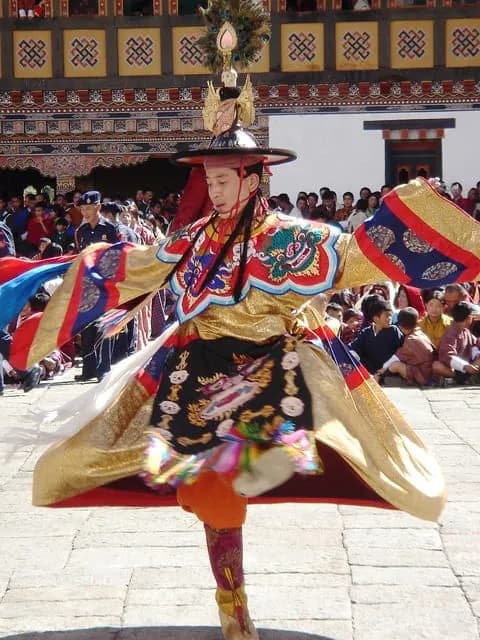
Bhutan Festivals – A Celebration of Faith and Culture
When festival season arrives, Bhutan takes on a different rhythm. Monasteries and dzongs fill with music, color, prayer, laughter, and communities dressed in their finest traditional clothes.
Known as Tshechus, these festivals are deeply rooted in Bhutanese Buddhism. Sacred mask dances performed by monks and local dancers bring Buddhist teachings, legends, and stories of good overcoming evil to life. For local communities, however, the occasion is more than a religious ceremony—it is also a time to gather with family, meet friends, and celebrate their shared heritage.
From the famous Paro and Thimphu Tshechus to Punakha, Jambay Lhakhang, and festivals held across remote valleys, every celebration has its own character.
For travelers, joining a festival offers something that sightseeing alone cannot provide: a chance to witness Bhutanese culture while it is being lived and celebrated by the people themselves.
A Bhutanese festival is not simply something to watch—it is something to feel and remember.
Best Places to Visit in Bhutan
Bhutan may be a small Himalayan kingdom, but every valley reveals a different side of its character.
Begin in Paro, home to the iconic Tiger’s Nest Monastery, historic temples, traditional villages, and dramatic mountain scenery. In Thimphu, Bhutan’s capital, ancient traditions meet modern life around monasteries, markets, museums, and the magnificent Buddha Dordenma.
Travel onward to Punakha, where the majestic Punakha Dzong stands between two rivers, or wander through the peaceful Phobjikha Valley, famous for its black-necked cranes and beautiful landscapes. Further east, Bumthang reveals some of Bhutan’s most sacred temples and spiritual heritage, while Haa Valley offers quiet mountain scenery and authentic village life.
For travelers seeking something more remote, the valleys and communities of Eastern Bhutan reveal a lesser-known side of the kingdom.
Each destination tells a different story—and together they reveal the many faces of Bhutan.
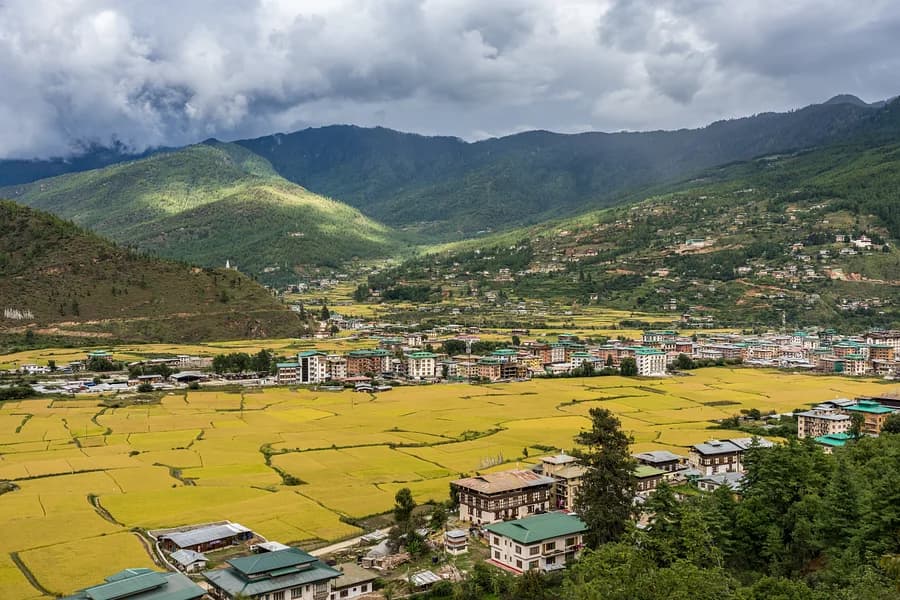
Western Bhutan
Discover iconic Himalayan landscapes, ancient temples, traditional villages and the legendary Tiger's Nest.
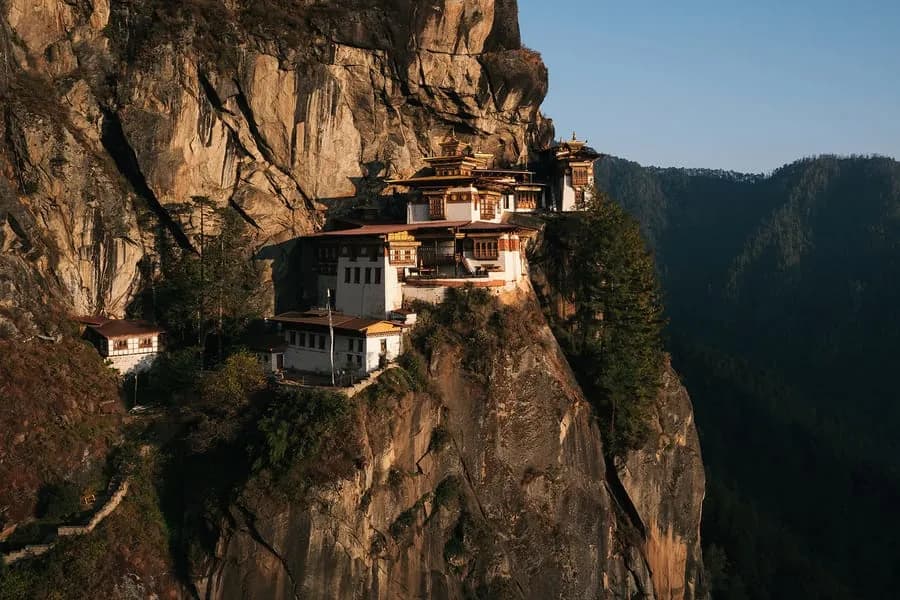
Paro
Discover iconic Himalayan landscapes, ancient temples, traditional villages and the legendary Tiger's Nest.
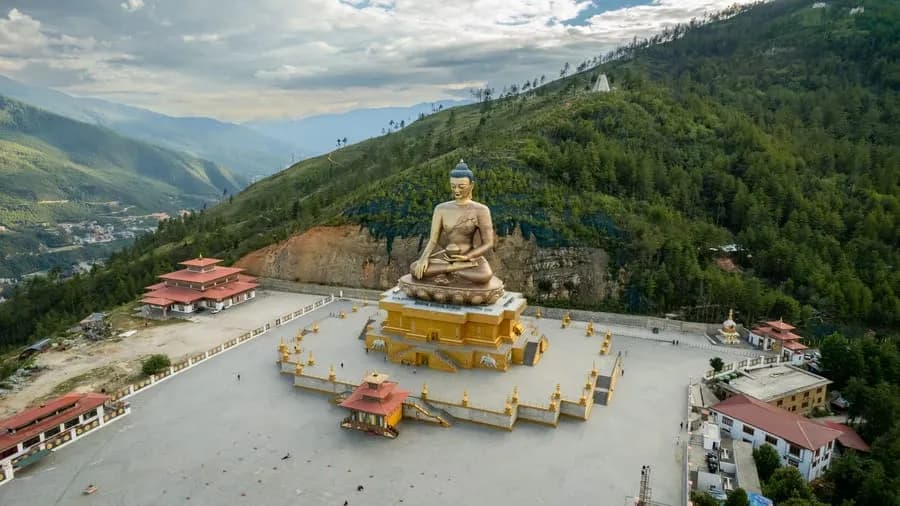
Thimphu
Experience Bhutan's vibrant capital, where ancient traditions meet modern Bhutanese life.
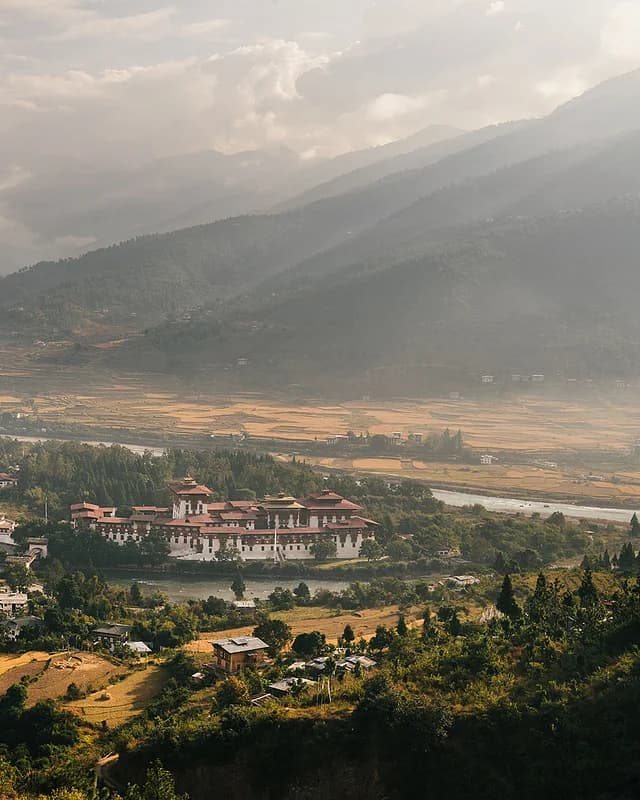
Punakha
Explore a fertile valley of rivers, historic temples and the magnificent Punakha Dzong.
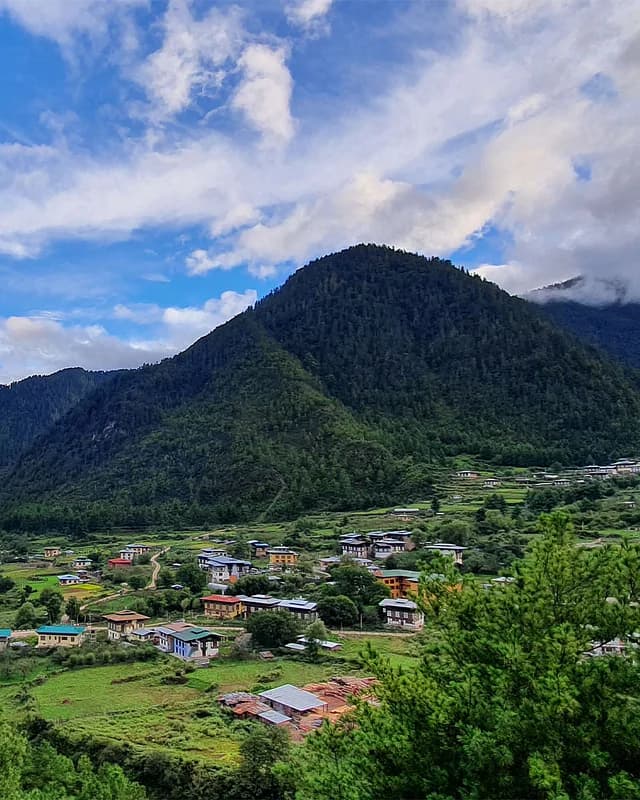
Haa Valley
Escape to a peaceful mountain valley of traditional villages and authentic Bhutanese life.
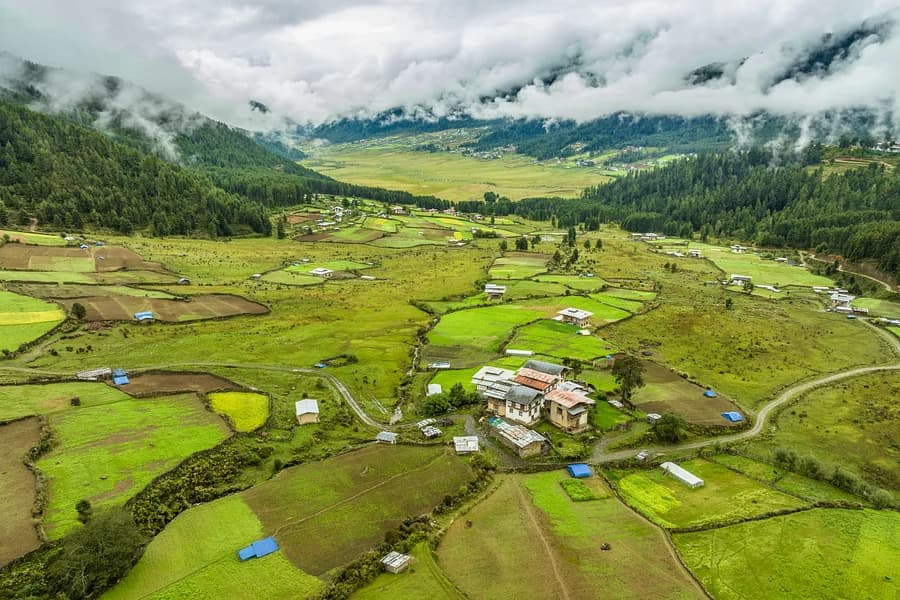
Central Bhutan
Journey through central Bhutan's peaceful valleys, ancient monasteries, dramatic landscapes and deep spiritual traditions.
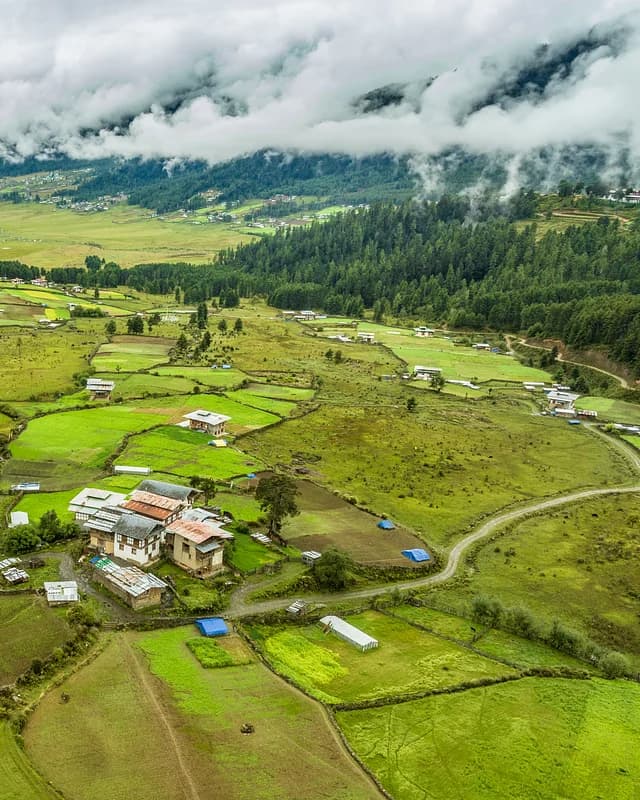
Phobjikha Valley
Wander through peaceful landscapes, home to Gangtey Monastery and rare black-necked cranes.
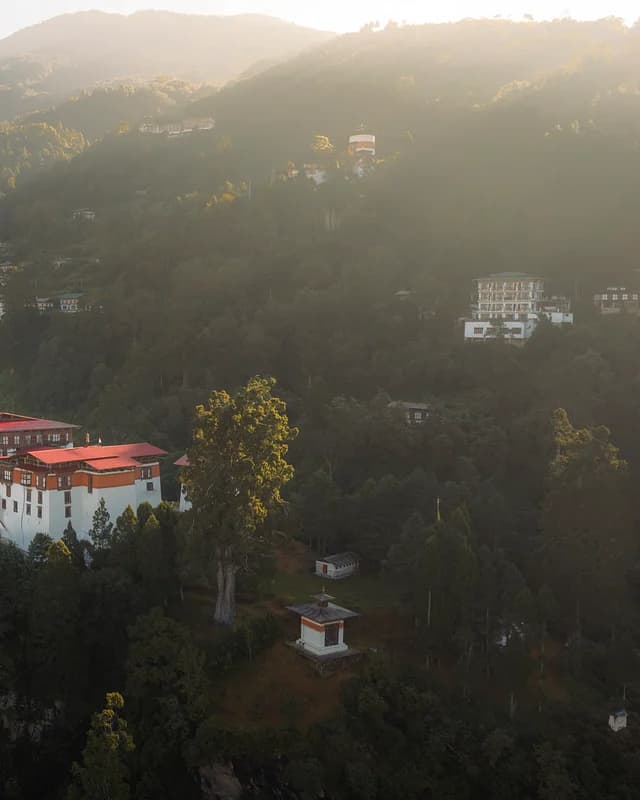
Trongsa
Discover a historic mountain town crowned by an impressive dzong and dramatic landscapes.
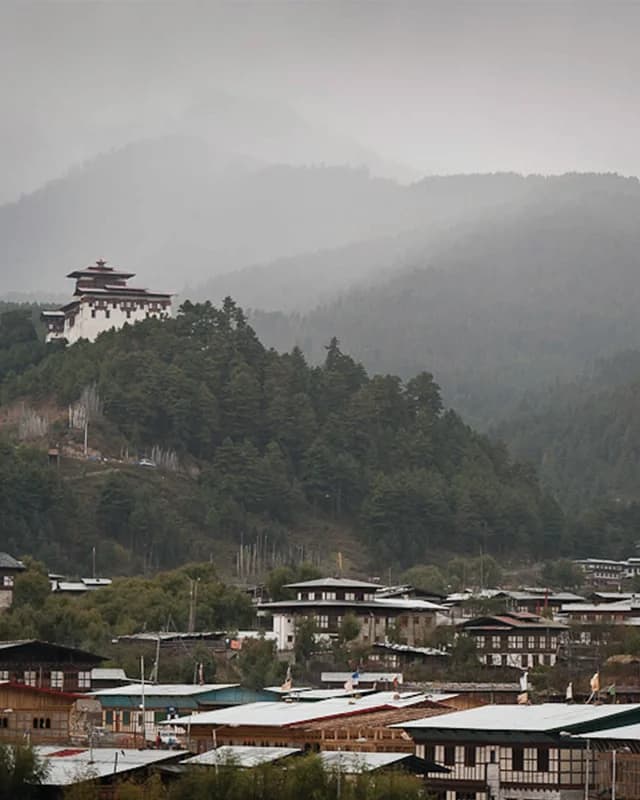
Bumthang
Explore Bhutan's spiritual heartland, filled with ancient temples, sacred sites and beautiful valleys.
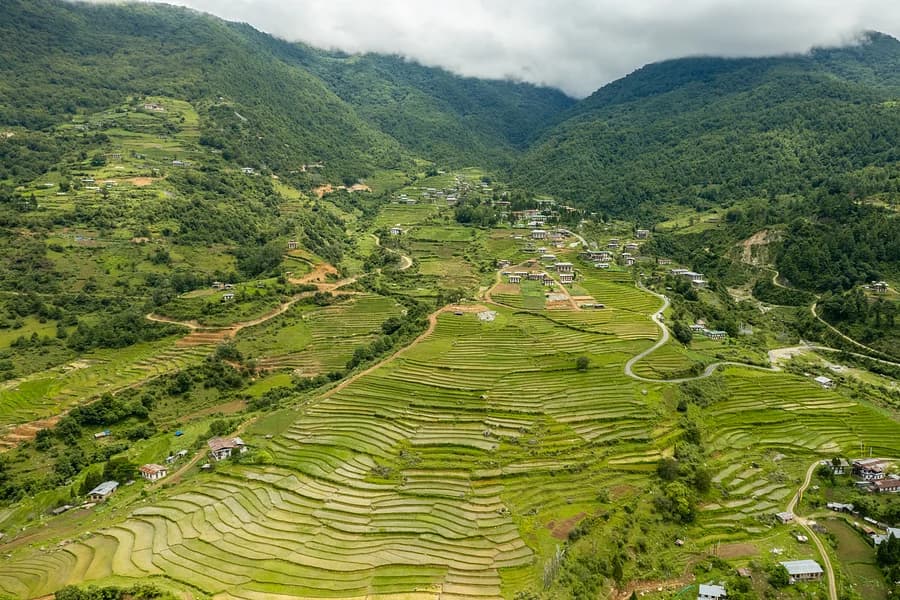
Eastern Bhutan
Venture beyond western Bhutan to discover remote landscapes, distinctive cultures and traditional communities across the east.
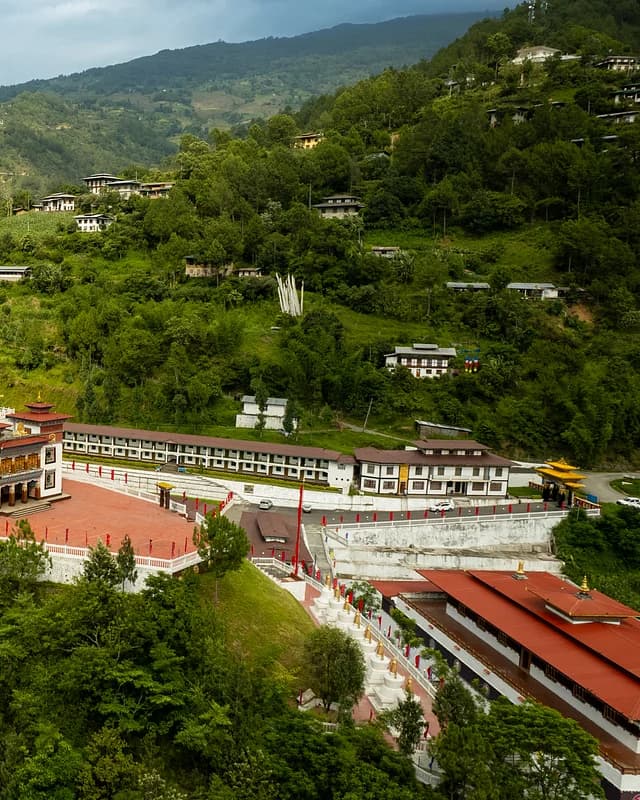
Trashigang
Experience eastern Bhutan's vibrant culture, dramatic mountains and traditional communities.
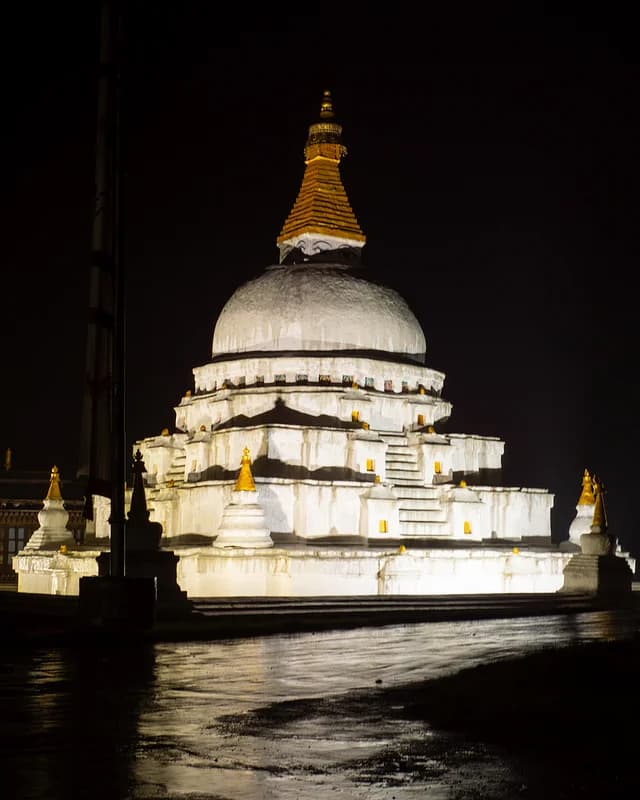
Trashiyangtse
Discover a peaceful valley rich in traditional arts, sacred sites and natural beauty.
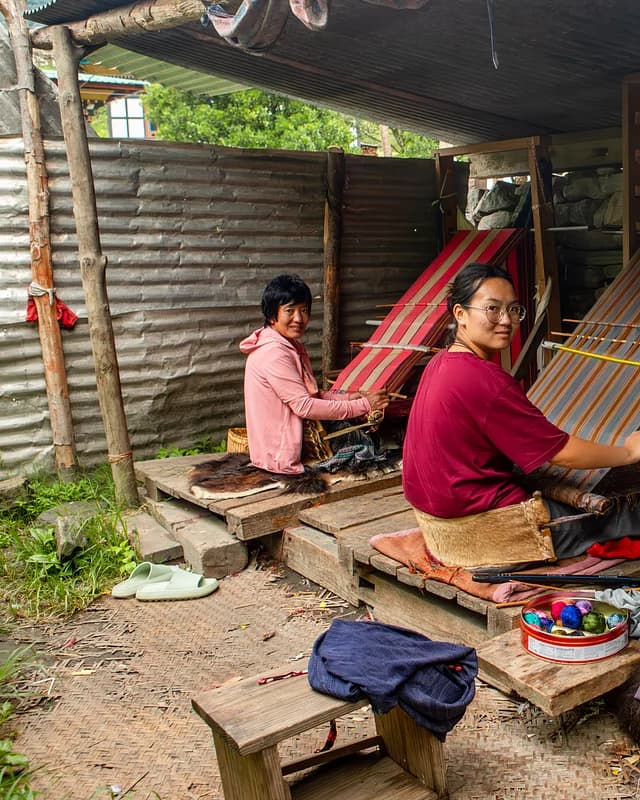
Lhuentse
Journey into a remote Himalayan valley known for traditional culture, weaving and pristine landscapes.
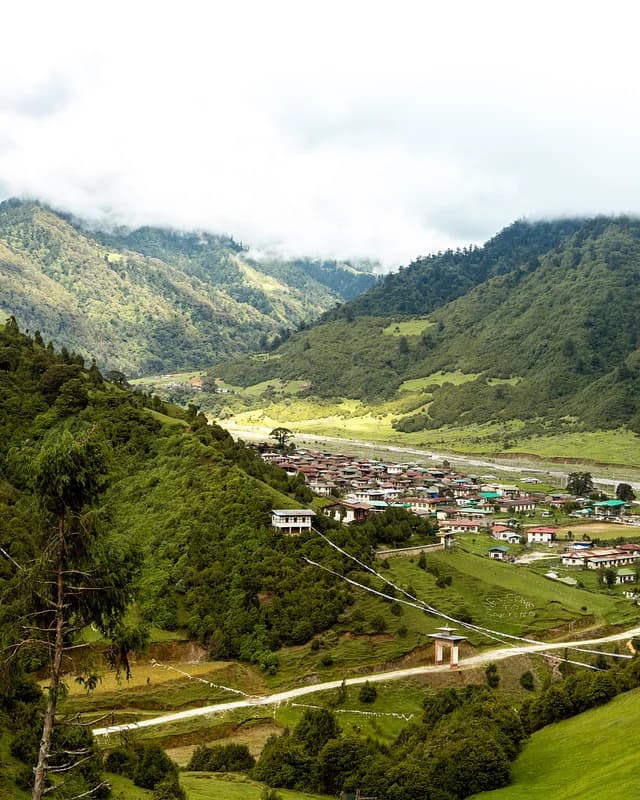
Merak & Sakteng
Meet remote highland communities and discover distinctive traditions, pastoral life and mountain landscapes.
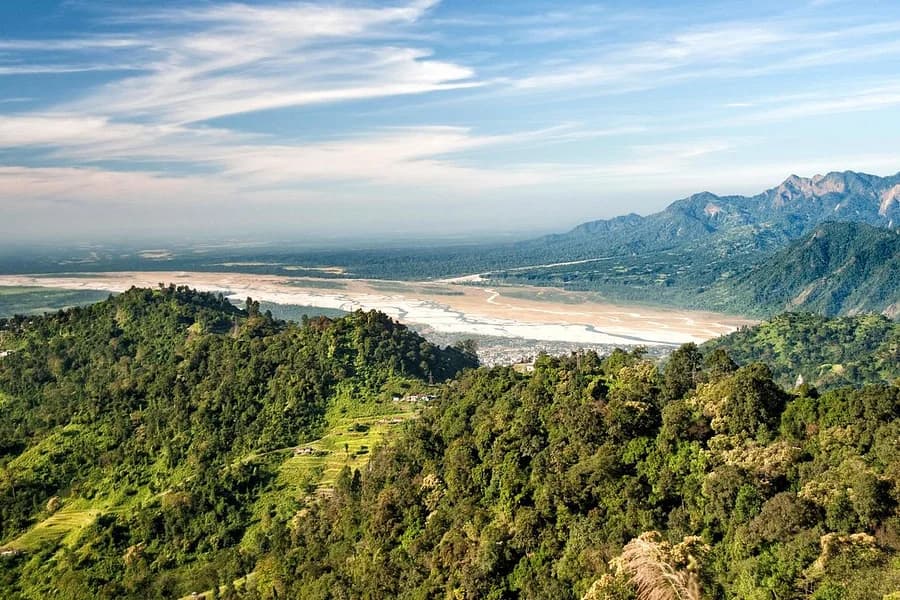
Southern Bhutan
Experience a warmer, subtropical side of Bhutan, from southern gateways and emerging destinations to the rich forests and wildlife of Royal Manas.
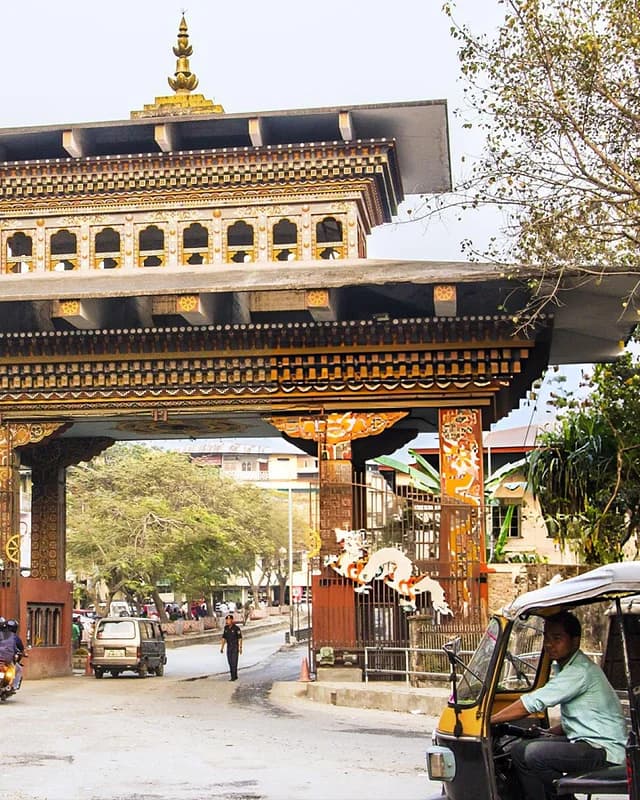
Phuentsholing
Enter Bhutan through a subtropical gateway where mountain landscapes meet vibrant border-town life.
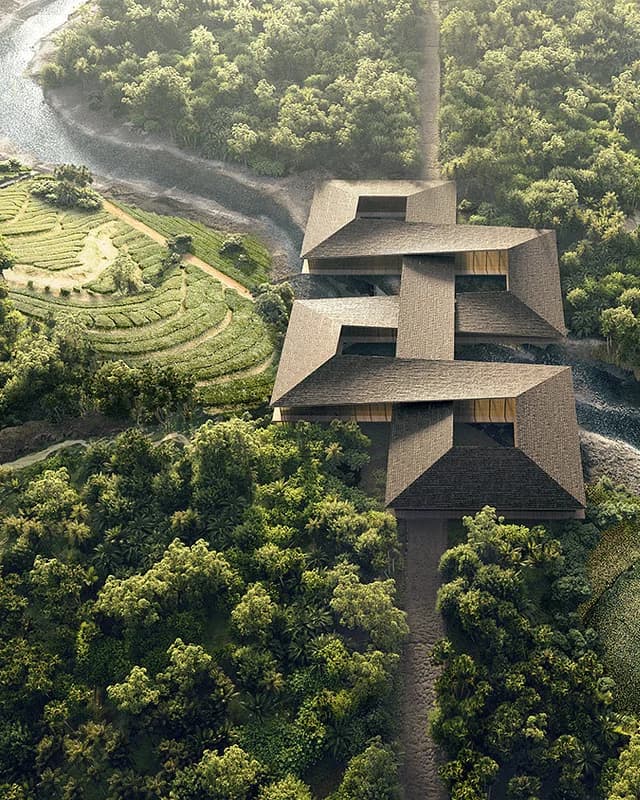
Gelephu
Discover an emerging southern hub and gateway to the visionary Gelephu Mindfulness City.
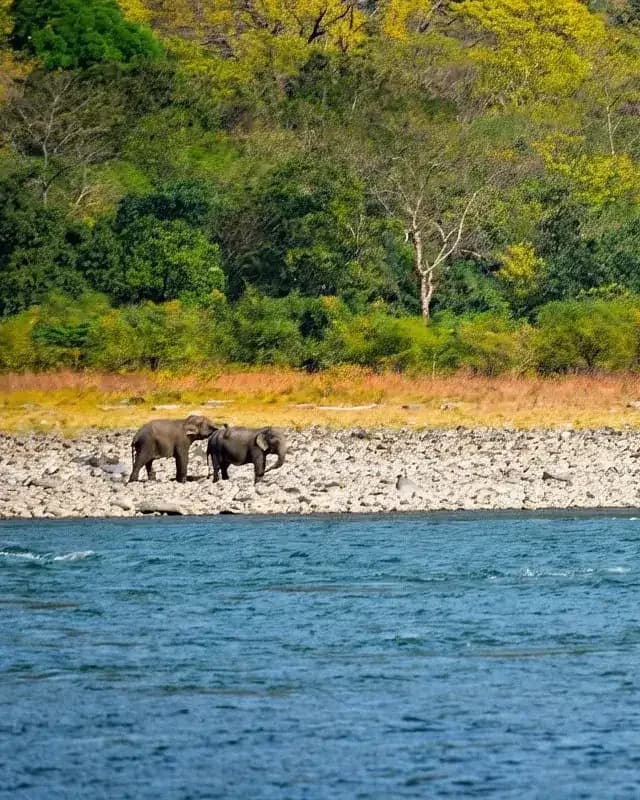
Royal Manas National Park
Explore Bhutan's subtropical wilderness, rich with forests, wildlife and extraordinary biodiversity.
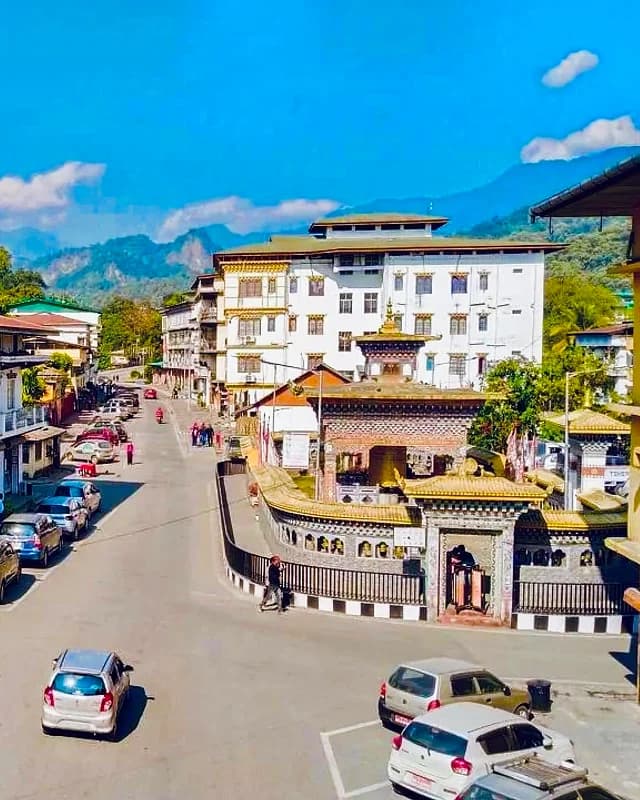
Samdrup Jongkhar
Discover Bhutan's southeastern gateway and a natural starting point for exploring eastern Bhutan.
Discover Bhutan for Yourself
Beyond the mountains and monasteries, Bhutan invites you to experience a culture, way of life, and sense of place unlike anywhere else.
At Bhutan Holiday Trips, our local team creates meaningful journeys that bring you closer to Bhutan’s culture, people, landscapes, and traditions. Explore ancient heritage, celebrate vibrant festivals, follow Himalayan trails, or discover quieter villages and landscapes through journeys designed around what matters to you.
We also create personalized experiences for travelers seeking something more meaningful—a peaceful spiritual escape, a cultural immersion, a challenging adventure, or a deeper connection with Bhutanese life.
With local knowledge, experienced guides, and thoughtful planning, we take care of the details while you focus on the journey.
Come curious. Travel meaningfully. Leave with a story of Bhutan that is uniquely yours.