
Bhutan Travel Information: Complete Guide to Visa, Permits & Trip Planning
Travel Entry and Visa Formalities
Citizens of India, Bangladesh, and the Maldives can obtain an entry permit upon arrival with a valid passport. Indian citizens may also use a valid Voter Identity Card (EPIC) instead of a passport. Travellers of all other nationalities must obtain a Bhutan tourist visa before arrival. Bhutan Holiday Trips will handle the entire visa application process on your behalf. Simply send us a clear scan of your passport's photo page, ensuring it is valid for at least six months from your date of entry. Once your visa is approved, we will email your Visa Approval Letter for presentation upon arrival. Your visa will then be stamped by immigration, allowing you to begin your Bhutan journey with ease.
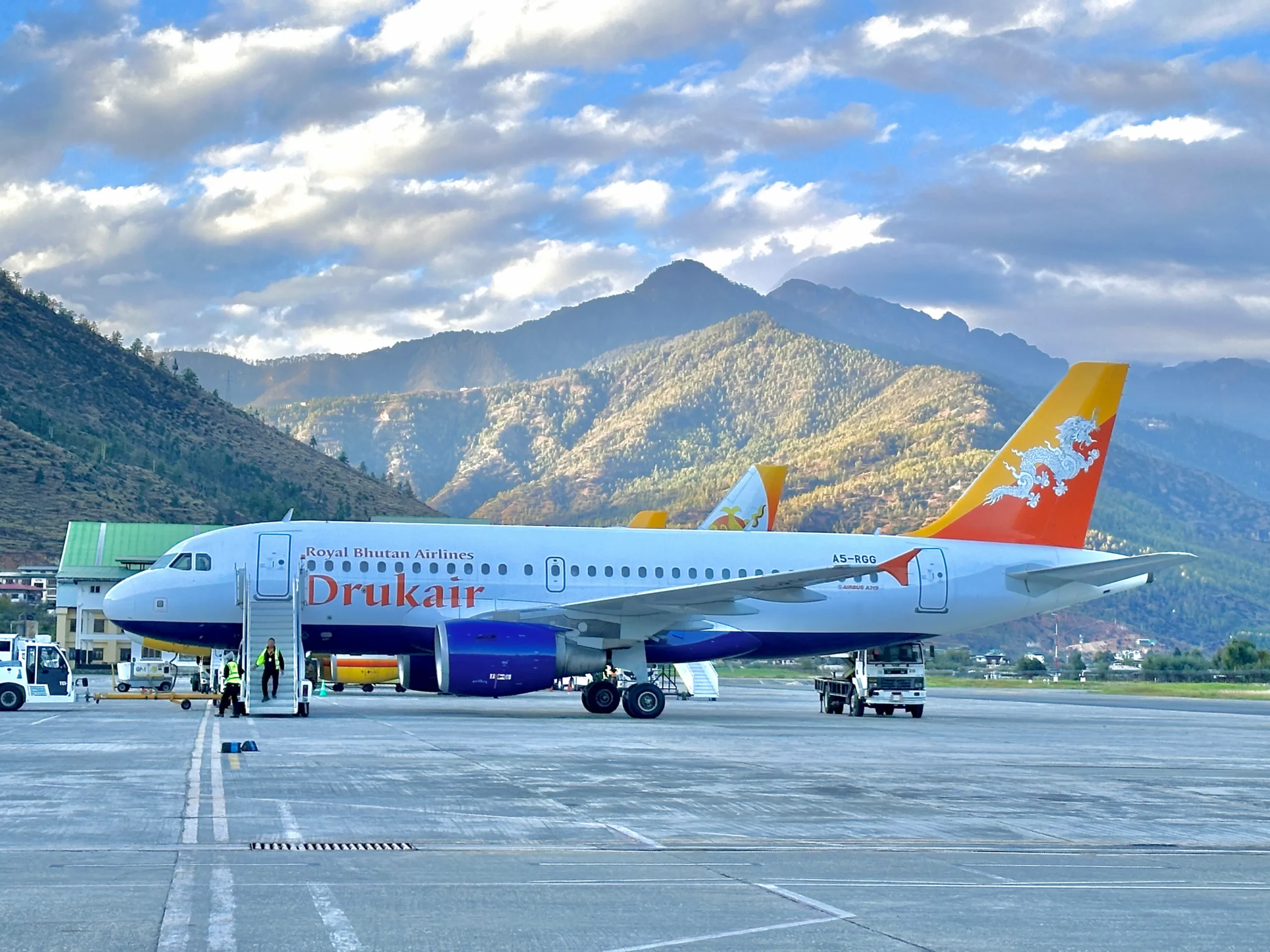
Bhutan Visa & Sustainable Development Fee (SDF) – 2026
All international visitors to Bhutan, except citizens of India, Bangladesh, and the Maldives, must obtain a Bhutan tourist visa before travel. The following Sustainable Development Fee (SDF) applies: US$100 per adult, per night US$50 per child (6–12 years), per night Children aged 5 and below: Exempt A non-refundable visa application fee of US$40 per person also applies. All Bhutan Holiday Trips tour packages include the applicable visa fee and SDF. Travellers from India Indian nationals do not require a visa but must obtain an entry permit. The applicable SDF is: INR 1,200 per adult, per night INR 600 per child (6–12 years), per night Children aged 5 and below: Exempt Our tour packages include the applicable SDF, and we can assist with all permit arrangements.
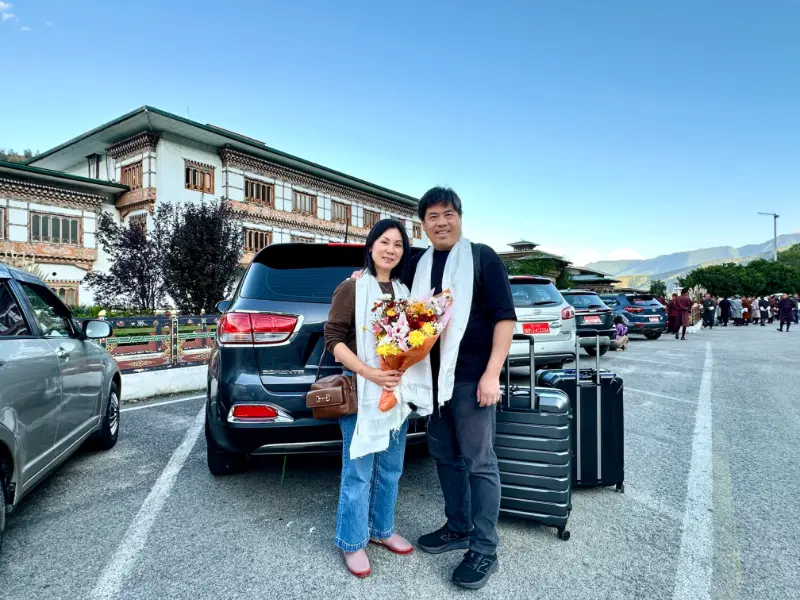
Your Stay in Bhutan
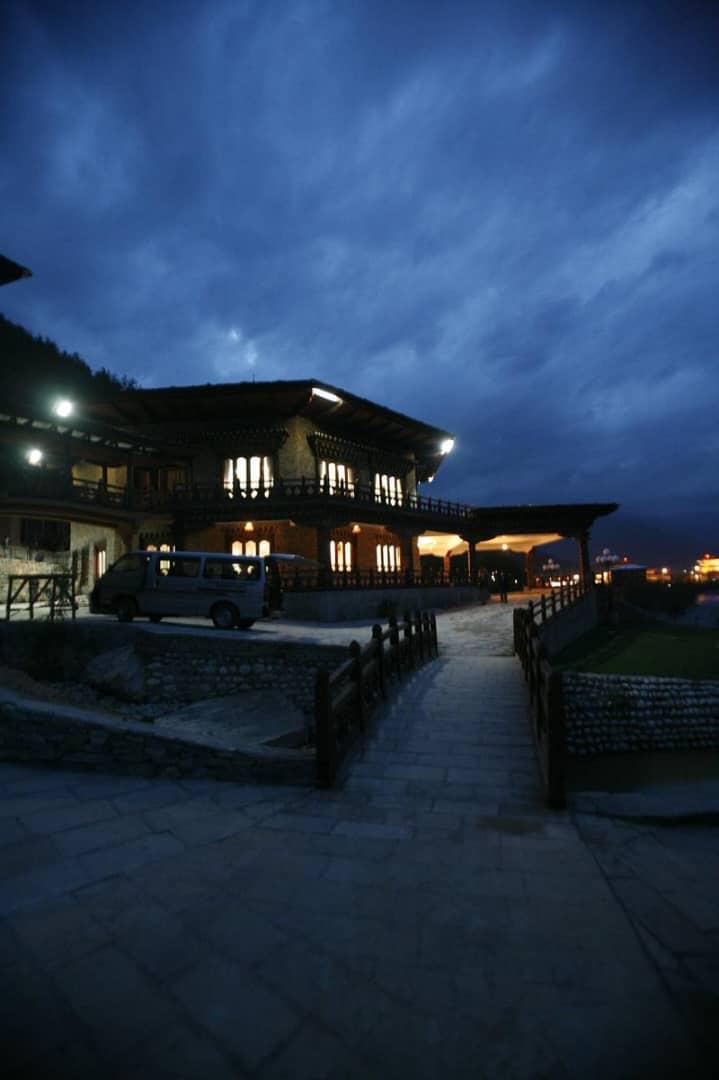
Bhutan offers a wide range of accommodations, from comfortable government-approved hotels and charming boutique lodges to luxury Himalayan resorts. At Bhutan Holiday Trips, we carefully select accommodations that match your travel style, comfort, and budget. International visitors are required to stay in government-approved 3-star hotels or higher. For those seeking a luxury experience, we can arrange stays at renowned properties such as COMO Uma, Zhiwa Ling, Pemako, Amankora, Le Méridien, and Six Senses (additional charges apply). For a more authentic experience, choose a traditional farmhouse, heritage home, or eco-lodge and enjoy genuine Bhutanese hospitality. If you're joining a trekking adventure, we provide fully equipped camping arrangements, including quality tents and essential gear, ensuring a safe and comfortable journey through Bhutan's pristine landscapes.
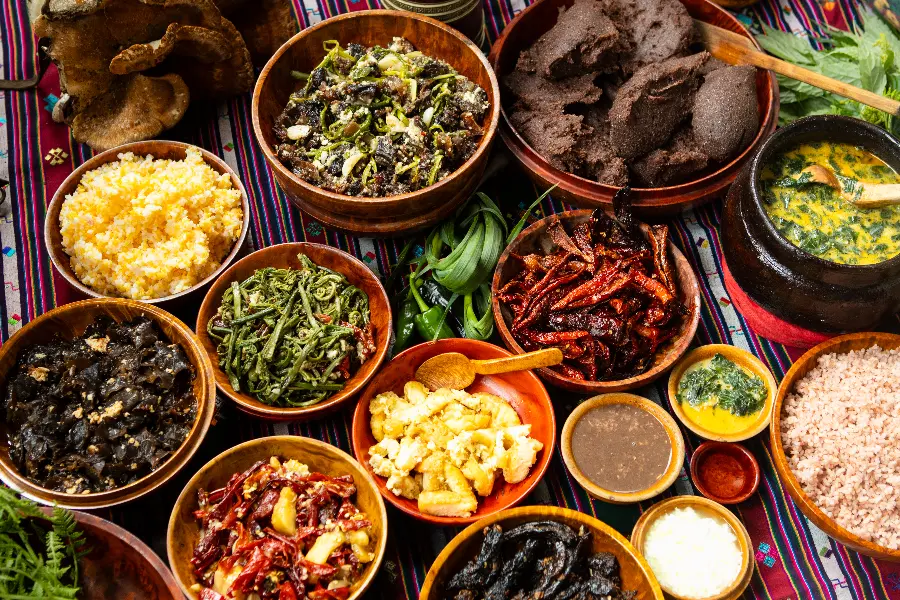
Flavours of Bhutan – A Culinary Experience
Bhutanese cuisine is known for its bold flavours, fresh organic ingredients, and wholesome mountain-grown produce. Meals typically feature red or white rice, seasonal vegetables, and locally sourced meat, offering an authentic taste of Bhutan. Be sure to try Bhutan's national dish, Ema Datshi (chillies and cheese), along with local favourites such as Phaksha Paa (pork with red chillies), Jasha Maroo (spiced chicken stew), and traditional buckwheat dishes from Bumthang. Fresh rainbow trout is also available in selected regions. During trekking tours, our experienced camp chefs prepare fresh, hearty meals in fully equipped mobile kitchens. Vegetarian, vegan, and other dietary requirements can also be accommodated with advance notice. Indian, Chinese, and international cuisine is widely available in Bhutan's towns and major hotels.
Getting Around Bhutan – Travel Comfortably
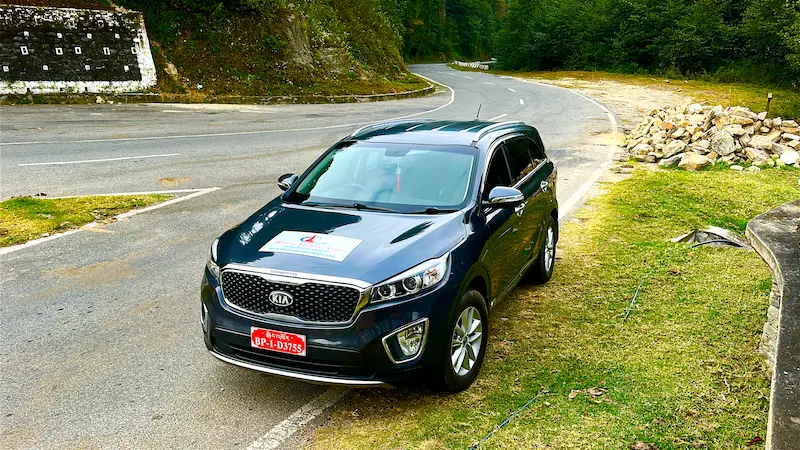
Explore Bhutan in comfort with Bhutan Holiday Trips. We provide reliable, well-maintained vehicles to suit every group size, ensuring a safe and enjoyable journey through Bhutan's scenic mountain roads. 1–2 travellers: 4WD SUVs, including Toyota Land Cruiser Prado, Hyundai Santa Fe, or Hyundai Tucson 3–5 travellers: Spacious Hyundai H-1 or Toyota HiAce vans Larger groups: Air-conditioned Toyota Coaster buses Our transport services cover sightseeing, airport transfers, cultural excursions, and other travel needs throughout your tour. For faster travel, Drukair operates domestic flights to destinations such as Bumthang, Yonphula, and Gelephu. Helicopter charters are also available for travellers seeking spectacular aerial views of Bhutan's valleys, monasteries, and Himalayan landscapes.
Staying Connected in Bhutan – Seamless Communication
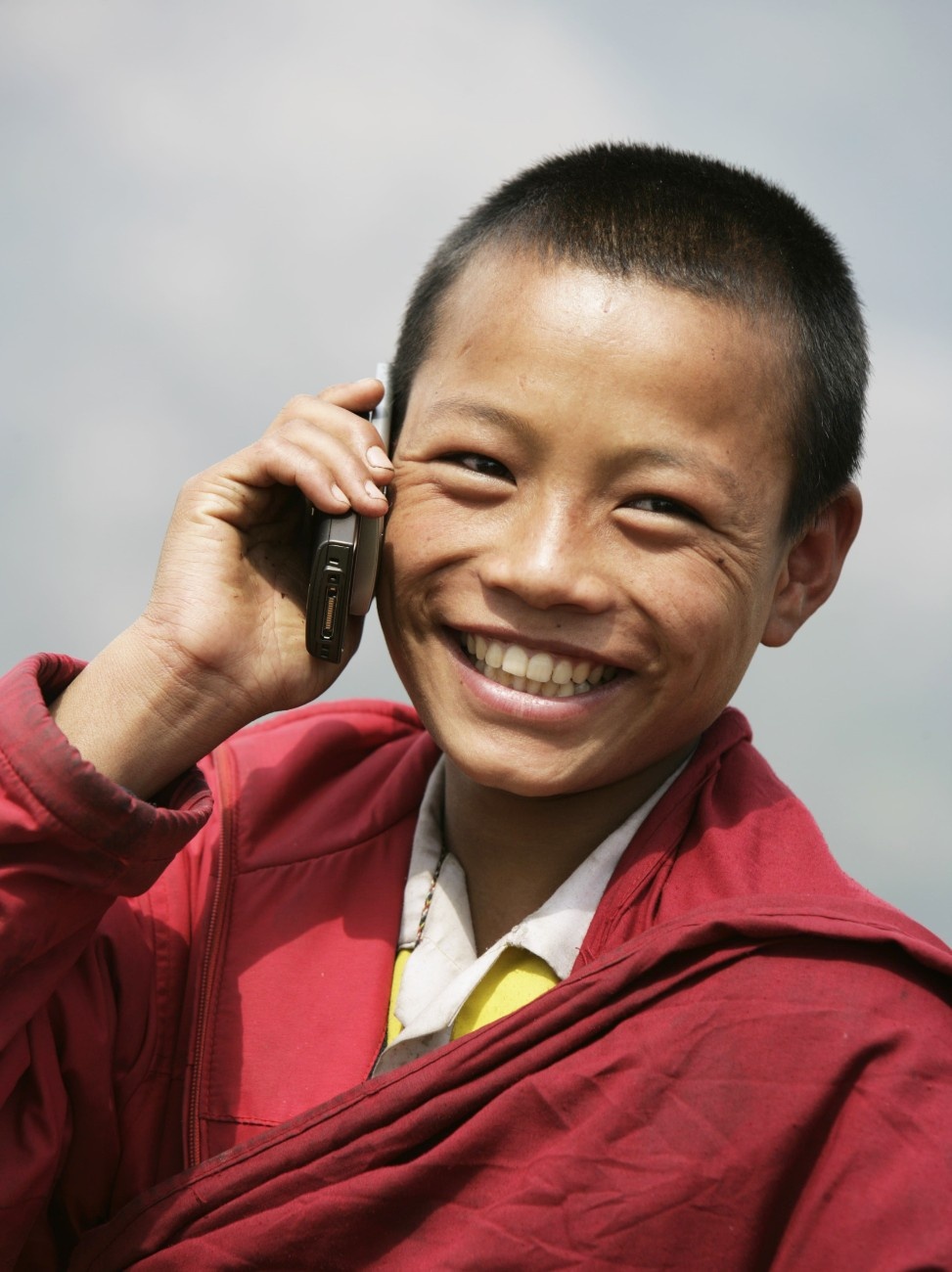
Staying connected in Bhutan is easy, with reliable mobile network coverage in most towns and popular tourist destinations. While signal may be limited in remote valleys and trekking areas, connectivity is generally sufficient throughout your journey. Local SIM cards and eSIMs are available at the airport and in major towns, offering affordable data and call packages. Bhutan Holiday Trips can assist you with selecting and setting up the best option for your device. Most hotels provide complimentary Wi-Fi, although some may charge a nominal fee. With mobile data and hotel internet access, you'll have convenient access to email, messaging, and social media during your stay.
Bhutan’s Weather & What to Pack – Be Ready for Every Season
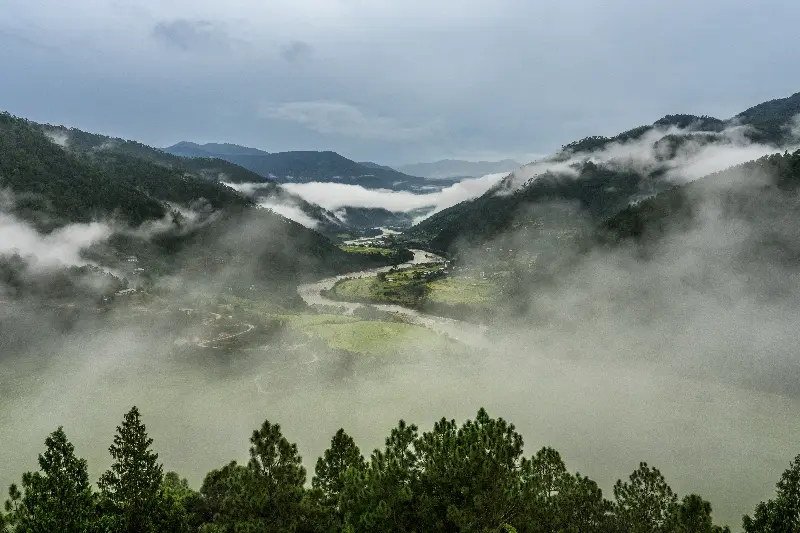
Bhutan's weather varies by season and altitude, so packing the right clothing is essential. From October to March, temperatures can be cold, especially in the mornings and evenings. We recommend bringing warm layers, a down jacket, thermals, gloves, and a hat. From April to September, the weather is generally warmer, although the monsoon season (June–August) brings occasional rain. Lightweight clothing, a rain jacket, and waterproof footwear are recommended, while a light sweater or jacket is useful for cooler evenings and higher elevations. Bhutan Holiday Trips will provide a recommended packing list based on your travel season and itinerary, ensuring you're comfortable throughout your journey.
Dress Code & Cultural Etiquette
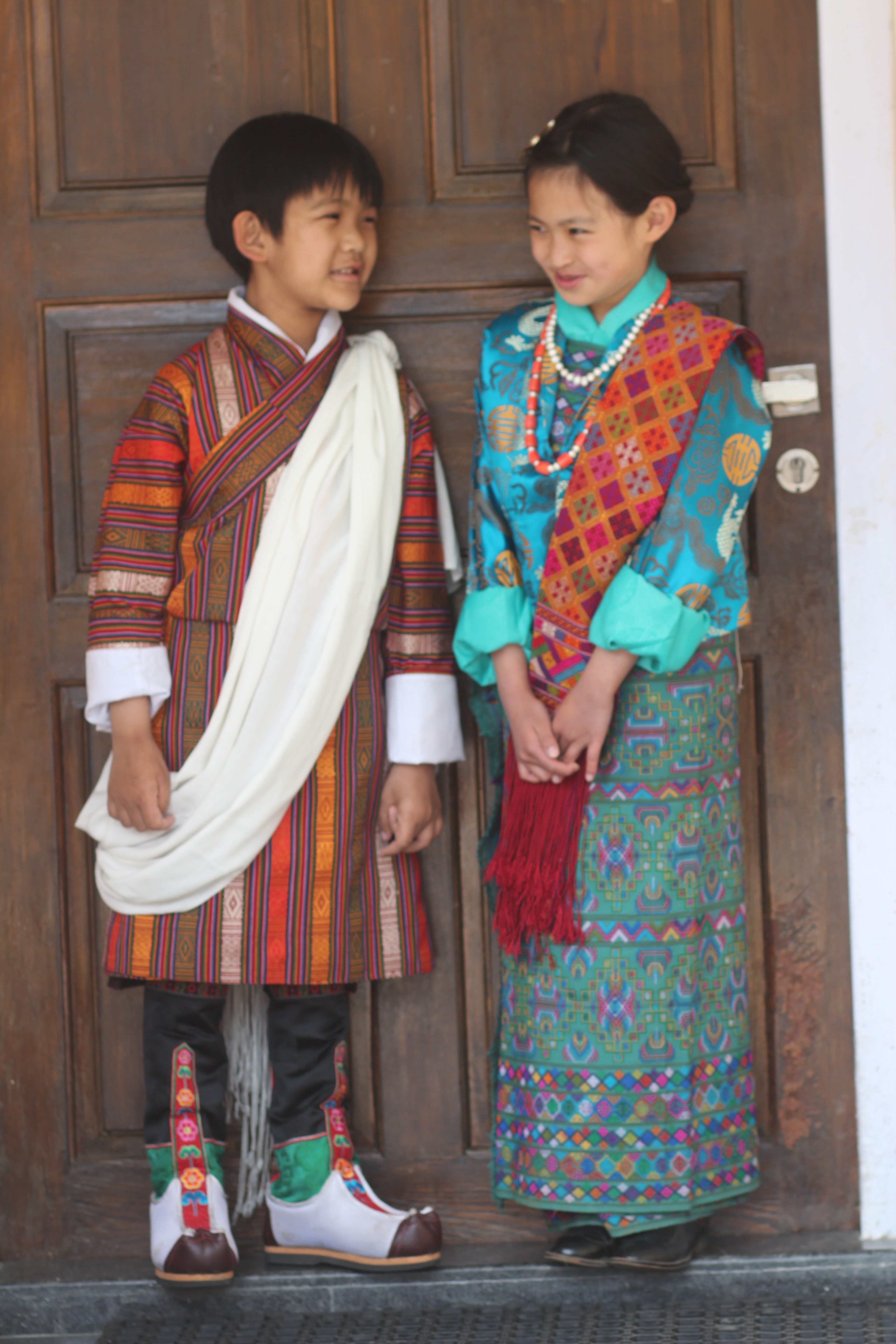
When sightseeing in Bhutan, wear comfortable, modest clothing. Avoid revealing outfits such as shorts, short skirts, or sleeveless tops, especially when visiting rural areas or religious sites. When entering dzongs, temples, and monasteries, dress respectfully in long trousers or skirts below the knee, and wear tops that cover your shoulders. Remove your hat and shoes where required before entering sacred buildings. To respect Bhutanese customs: Greet locals with "Kuzuzangpo" and show courtesy to elders. Ask permission before photographing people. Photography is generally not permitted inside temples and monasteries. Walk clockwise around stupas, temples, and prayer wheels. Traditional Bhutanese attire—the gho for men and kira for women—can be rented or purchased for special occasions or cultural experiences.
Courtesy and Cultural Norms
When meeting people in Bhutan, a warm greeting is “Kuzuzangpo”, which means “hello”. To show respect to elders, it is customary to slightly lower your head and say “Kuzuzangpo la.” Handshakes are also widely accepted as a friendly way to greet yourself. Photography is allowed outside religious sites like monasteries, but taking pictures inside is not permitted as these places are sacred. Local Bhutanese are often happy to be photographed, but it is always polite to ask before capturing images of individuals. It’s important to never photograph any members of the Royal Family, even during public events or festivals. When walking around temples, stupas, or prayer flags, always move in a clockwise direction as a sign of respect and devotion.
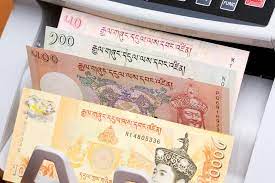
Currency and Payments
The official currency of Bhutan is the Ngultrum (Nu.), which is pegged at par with the Indian Rupee (INR). Indian Rupees are widely accepted, while Ngultrum cannot be used outside Bhutan, so it's best to exchange or spend any remaining cash before departure. Cash is the most convenient payment method, particularly in smaller towns and rural areas. Foreign currency, including US dollars, can be exchanged at the airport, banks, and authorised exchange counters. Credit and debit cards are accepted at many hotels, restaurants, and larger shops in Thimphu and Paro, although a 3–5% transaction fee may apply. ATMs are available in major towns, but international card acceptance may vary.
Health & Wellbeing
No vaccinations are mandatory for travel to Bhutan, but it's recommended that your routine immunisations are up to date. Consult your healthcare provider before departure for personalised travel health advice. Medical facilities are available throughout Bhutan, with hospitals located in every district. While hygiene standards are generally high, it's advisable to drink bottled or boiled water and enjoy freshly prepared food to help avoid stomach upsets. Most popular destinations are below 3,000 metres, so altitude sickness is uncommon. However, if you plan to trek or visit higher elevations, be aware of altitude-related symptoms and descend if you feel unwell. Comprehensive travel insurance covering medical emergencies, high-altitude trekking, and adventure activities is strongly recommended. If required, Bhutan Holiday Trips can assist you in arranging suitable travel insurance before your journey.
Language & Local Phrases
Bhutan’s official language is Dzongkha, but English is widely spoken, especially in tourist areas, hotels, and among younger generations. Most signs, menus, and public information are available in English, making it easy for visitors to travel around the country. Learning a few words in Dzongkha is a wonderful way to connect with locals and show appreciation for Bhutanese culture. Here are some useful expressions:
• Hi/Hello – Kuzu Zangpo
• How are you? – Chhoe gadebe yue?• Thank you – Kadrinche la
• Wishing you well / Good luck – Tashi Delek
• What is your name? – Chhoe gi ming gachi mo?
• My name is… Nga gi ming… (your name) een
Using even a few of these simple greetings can bring smiles and appreciation from the Bhutanese people you meet.
Power Supply & Plug Types
Bhutan uses a 230V supply voltage with a 50Hz frequency. Power sockets commonly support three plug types: three round pins in a triangular pattern, two round pins, and flat two-pin plugs with a grounding pin. Travellers may need a universal travel adaptor, which is available at shops in major towns such as Thimphu and Paro. Bringing your own adaptor is recommended for convenience, especially when travelling to remote areas.